


Quick Facts
| Client Name | Mr. Rajkumar Gupta |
| Location | Paschim Vihar, Delhi |
| Scope | Interior Design |
| Region | New Delhi |
| Program | Super Speciality Hospital |
| Built-up Area | 5,00,000 Sq.Ft. |
| Status | Under Construction |
Description
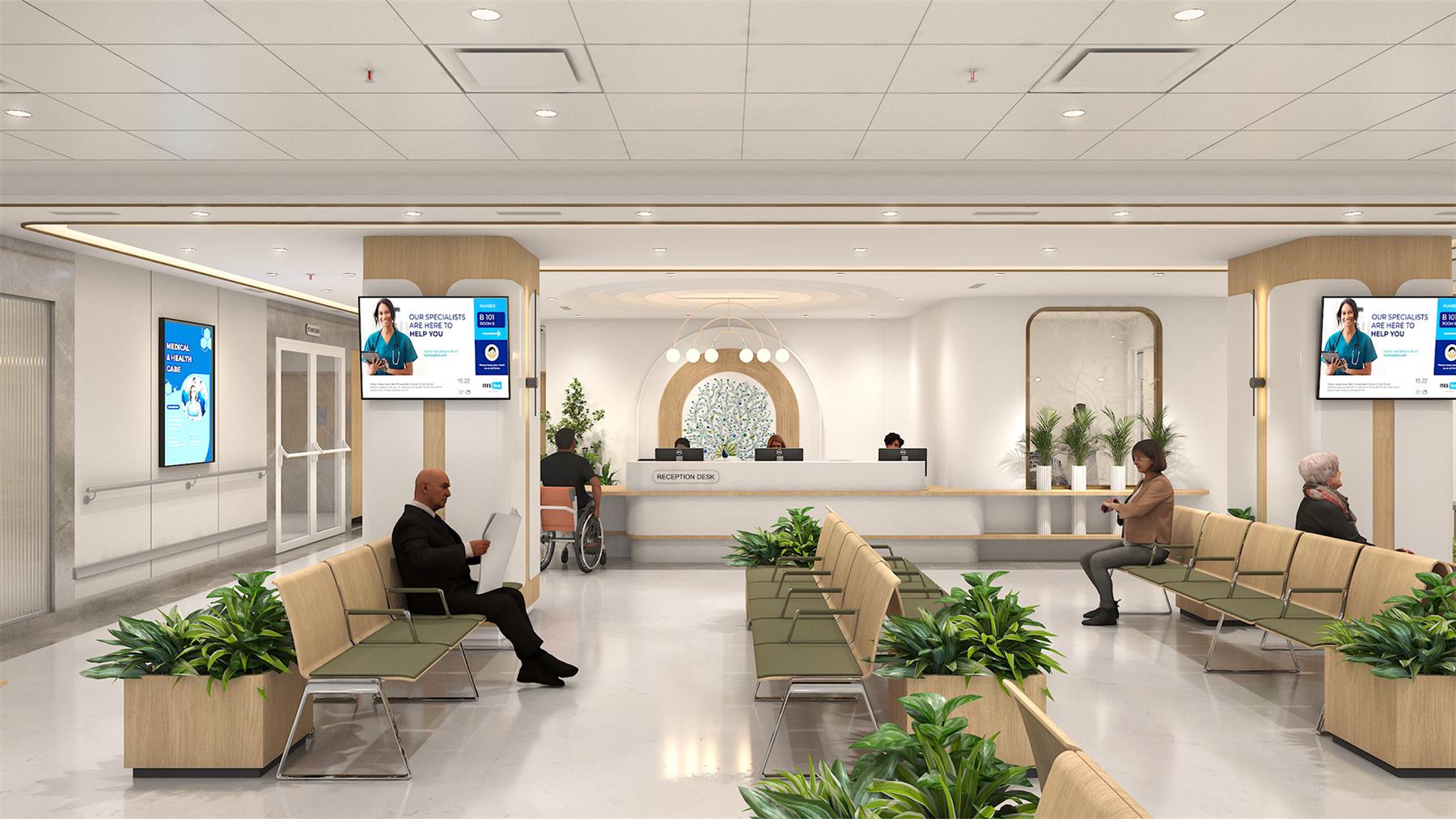
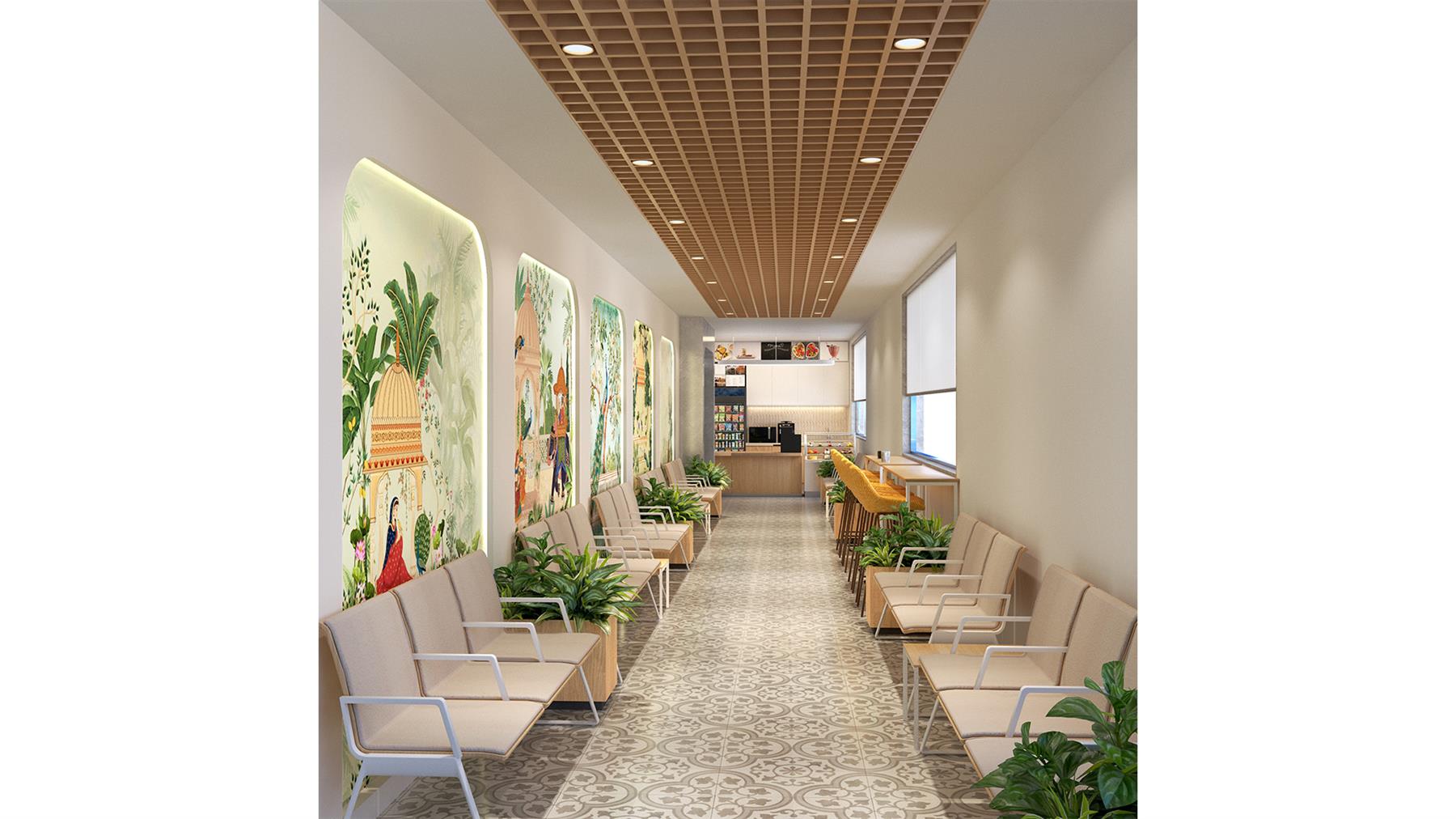
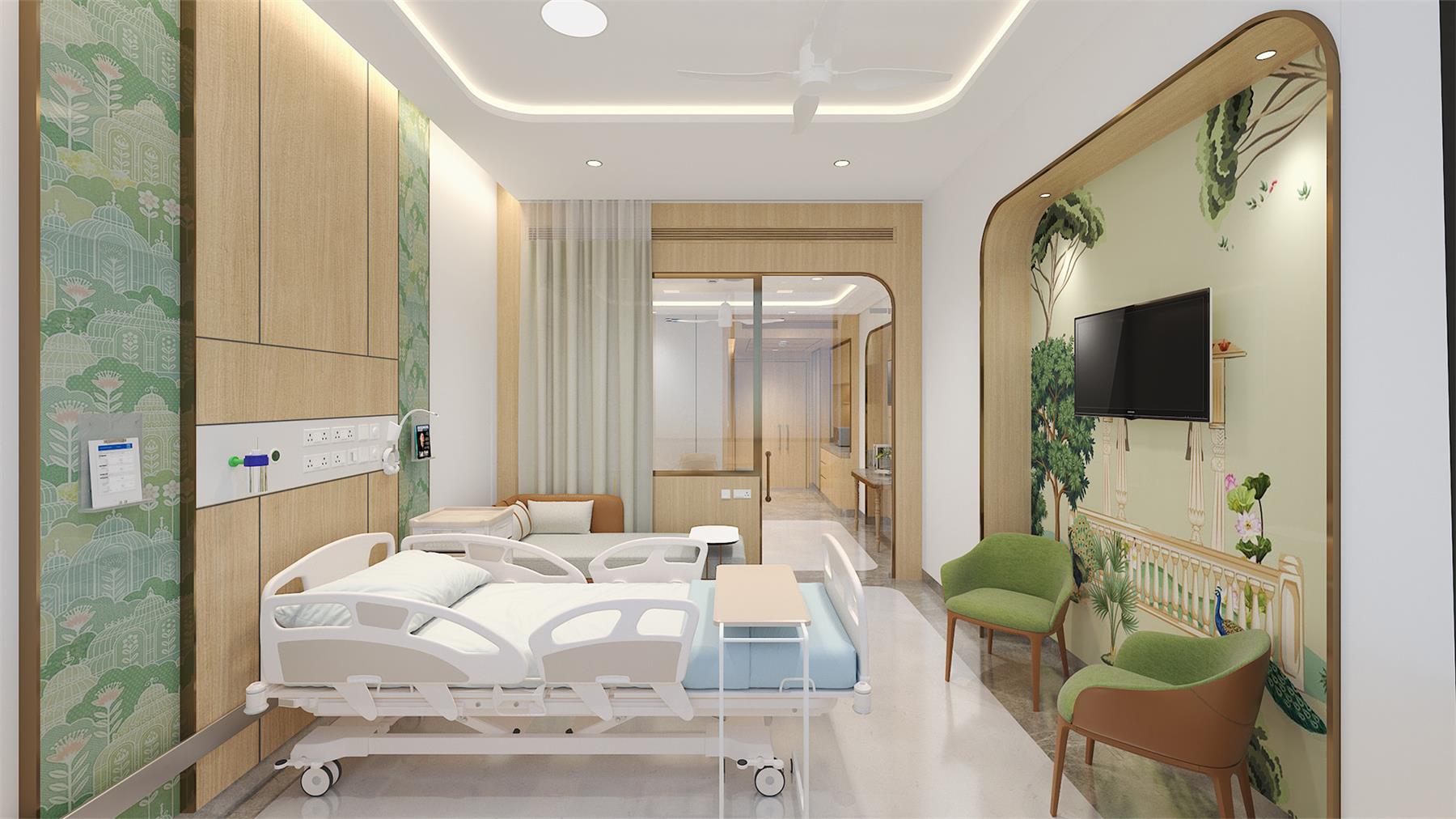
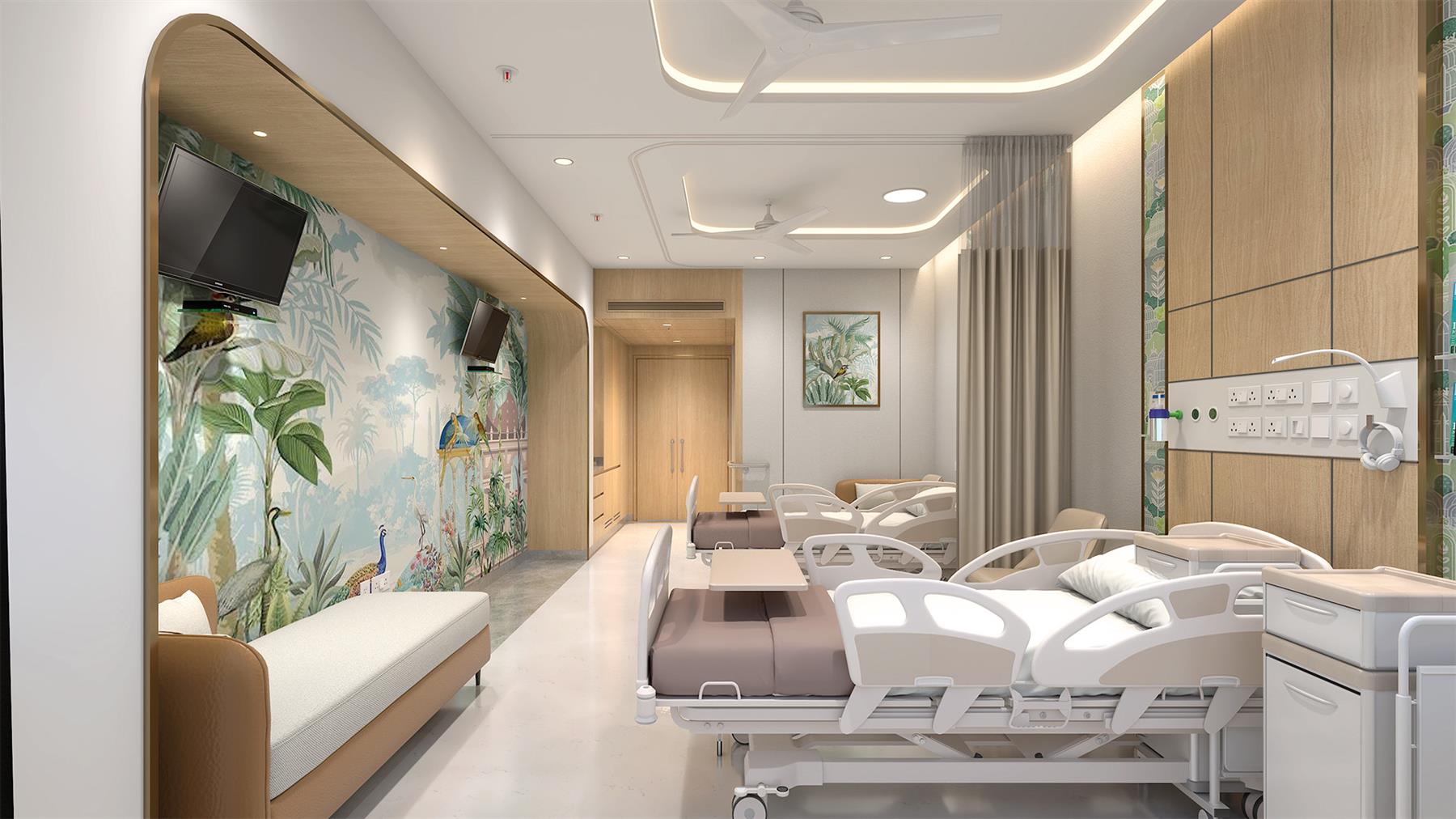
The Shri Balaji Action Medical Institute has initiated a major interior design project for its new building in Paschim Vihar. Envisioned by Edifice, the project seeks to redefine healthcare interiors by moving away from clinical, sterile spaces towards environments that feel more like home, drawing inspiration from Rajasthan’s havelis with their courtyards, arches, frescos, and lush green zones.
The assignment covers approximately 5,00,000 sq ft of interiors, excluding parking. The scope includes functional reviews of existing medical layouts and value additions.
The vision is centered on creating emotionally sensitive healing environments that actively reduce patient stress and enhance recovery. By embedding warmth, biophilia, and cultural references into a modern healthcare framework, the institute aims to stand apart from conventional hospitals while maintaining efficiency, infection control, and operational clarity.
Interiors Rooted in Context and Scale
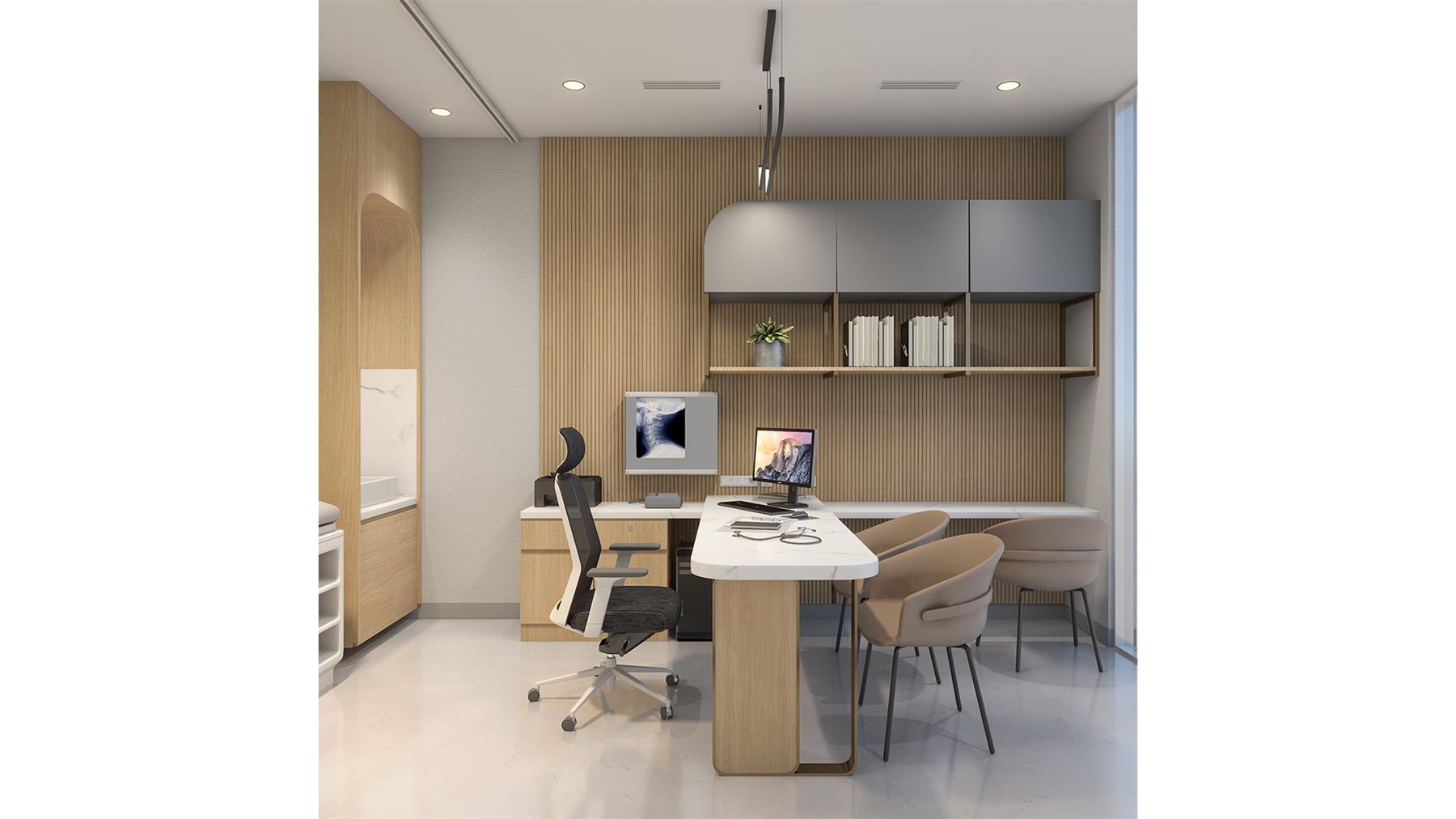
The interior design strategy is built around three healing principles: home-like comfort, integration of natural elements, and technology-enabled care. Patient rooms, OPDs, ICUs, procedure and recovery areas, and public spaces are planned to support both efficiency and emotional wellbeing. Floor planning prioritizes smooth circulation for patients, visitors, and staff, with layouts featuring semi-private, single, and twin rooms, as well as ICU clusters and isolation units. Across the three priority floors, facilities include 45 semi-private rooms, 27 single rooms, 12 twin rooms, 29 ICU beds, 11 ICU isolation units, and 135 pre/post-op beds, alongside suites for specialized treatment.
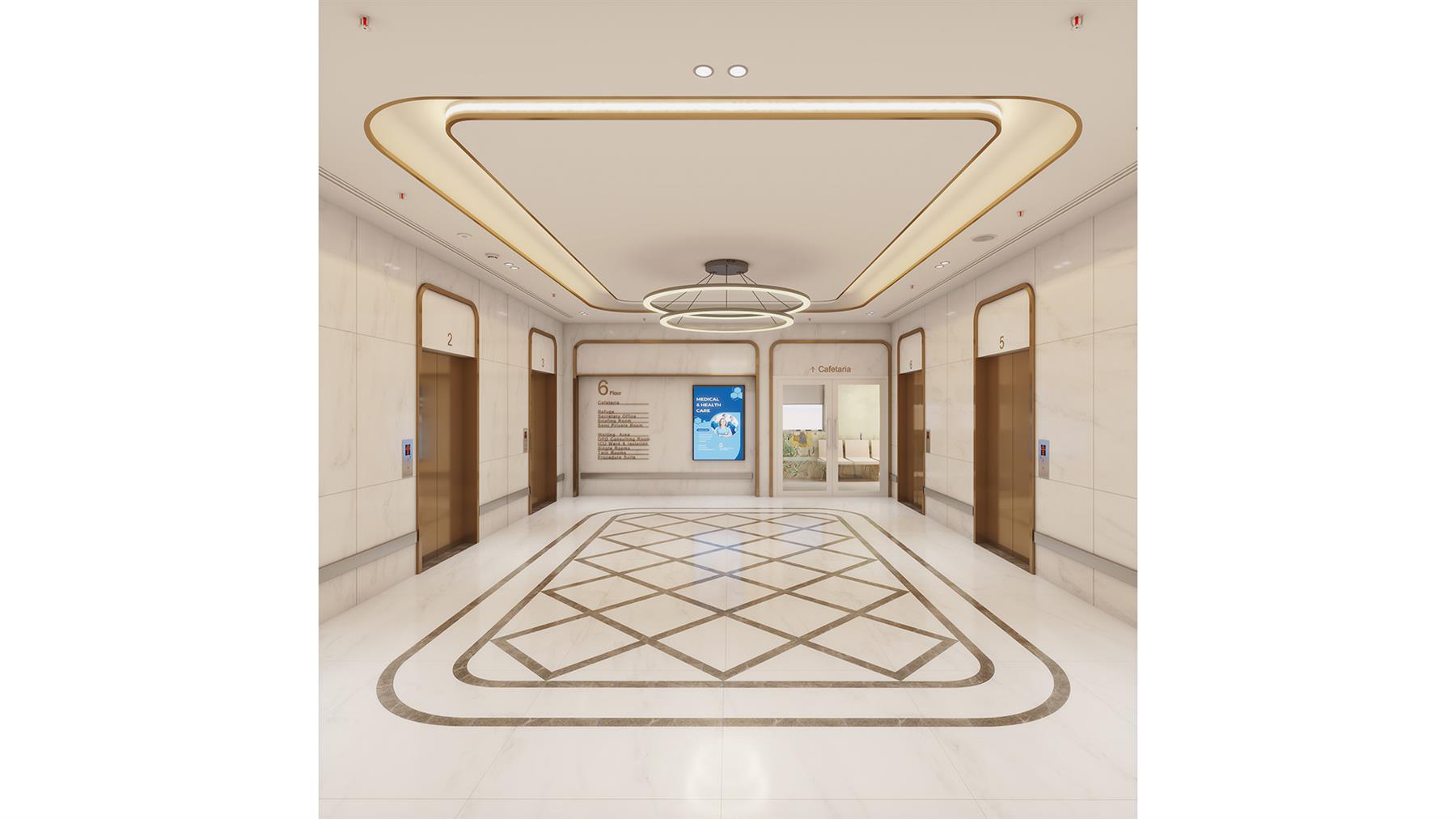
A distinctive “80-20 principle” governs the design application. Public areas such as lobbies and major corridors receive 20% of the theme’s strongest expressions—ornamental detailing, artworks, biophilic inserts—while the remaining 80% of spaces subtly echo the same palette through softer materials and textures. This balance ensures cohesion and cost efficiency without compromising impact.
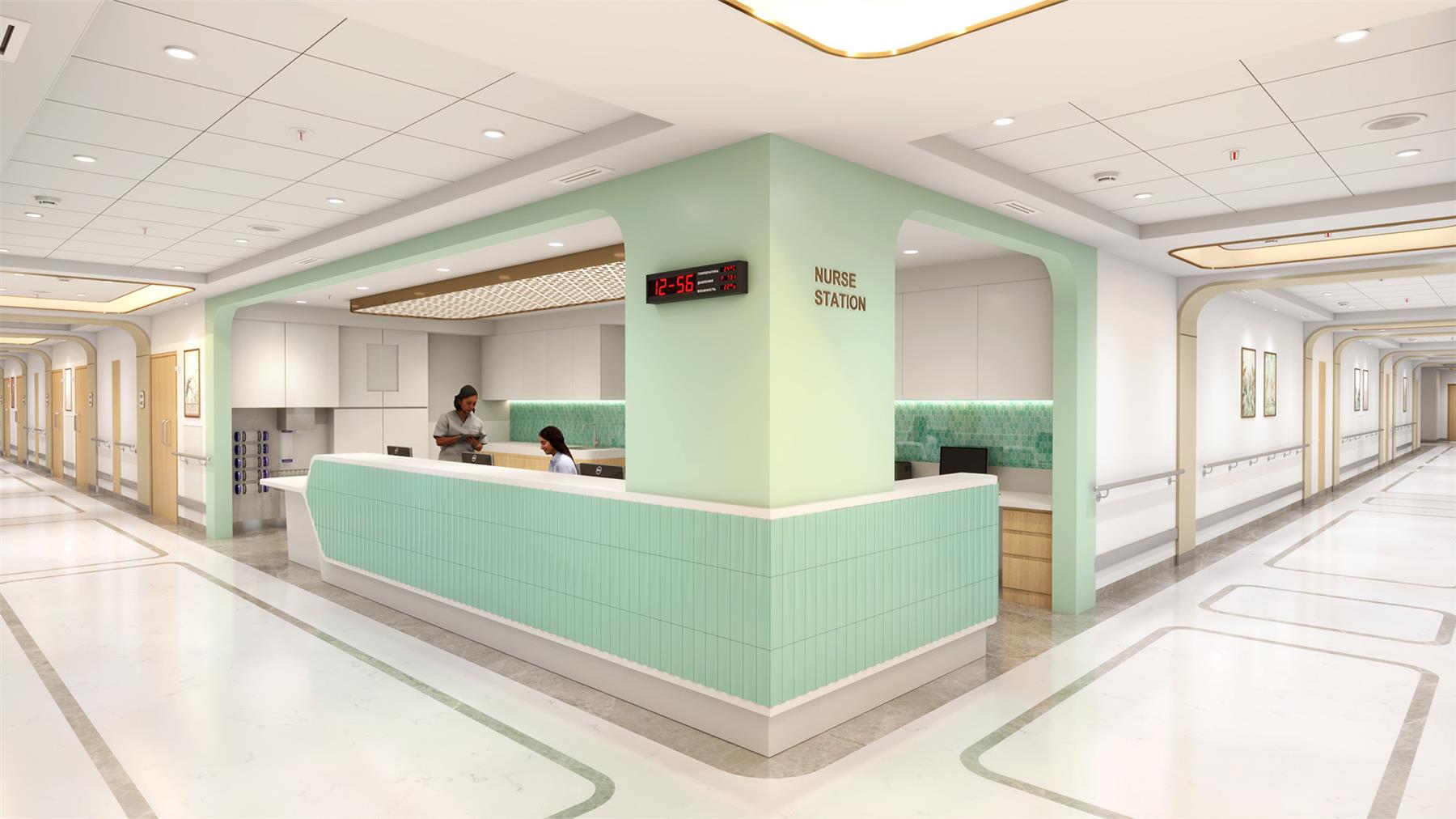
The material language blends pastel shades of pinks, beiges, and greens with maple veneers, marbles (Grey William, beige, white), leatherette, fluted glass, metal trims, and gypsum ceiling moldings. Decorative accents and artworks enrich key spaces, while calm acoustics, soft lighting, and spatial layering provide a sense of orientation and comfort. Waiting areas, nurse stations, and VIP lift lobbies are designed to be intuitive, welcoming, and modern while retaining cultural cues that reinforce familiarity.
Technology readiness is integrated into the interiors through planning for telemedicine hubs, smart signage, AI-enabled wayfinding, and virtual waiting rooms. This combination of traditional inspiration and future-forward capability positions the hospital to deliver a healing environment that is simultaneously homelike, efficient, and technologically advanced.
Credits & Recognition
Team
Interior: Shailesh Kunte, Swati Gadekar