

Quick Facts
| Client Name | Shree Khodaldham Trust |
| Location | Amreli Village, Gujarat |
| Scope | Comprehensive (MP+A+I) |
| Region | Mumbai |
| Program | 200 Beds |
| Built-up Area | 3,50,000 Sq.Ft |
| Plot Area | 34 Acres |
| Status | Concept Proposal |
Description
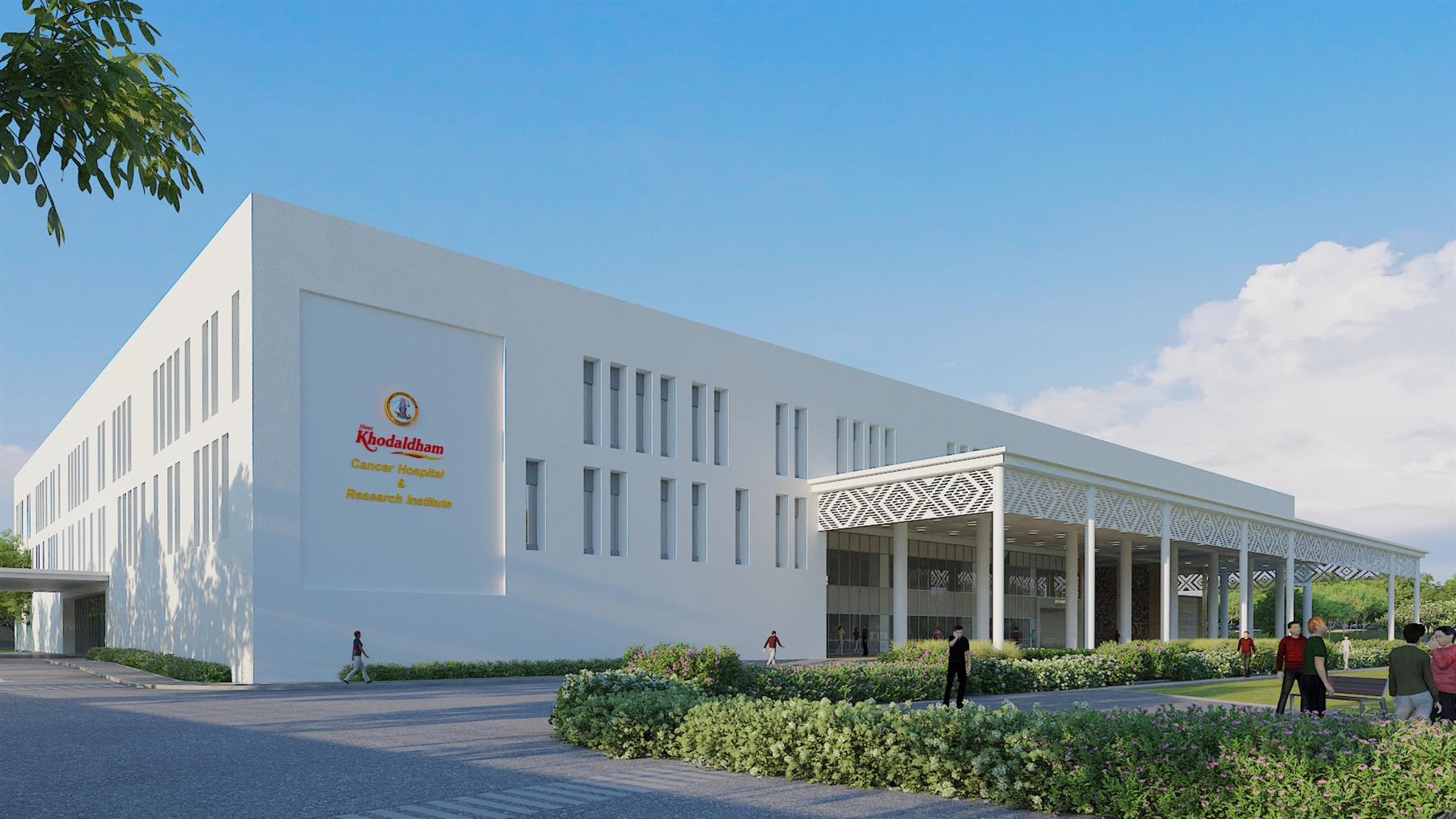
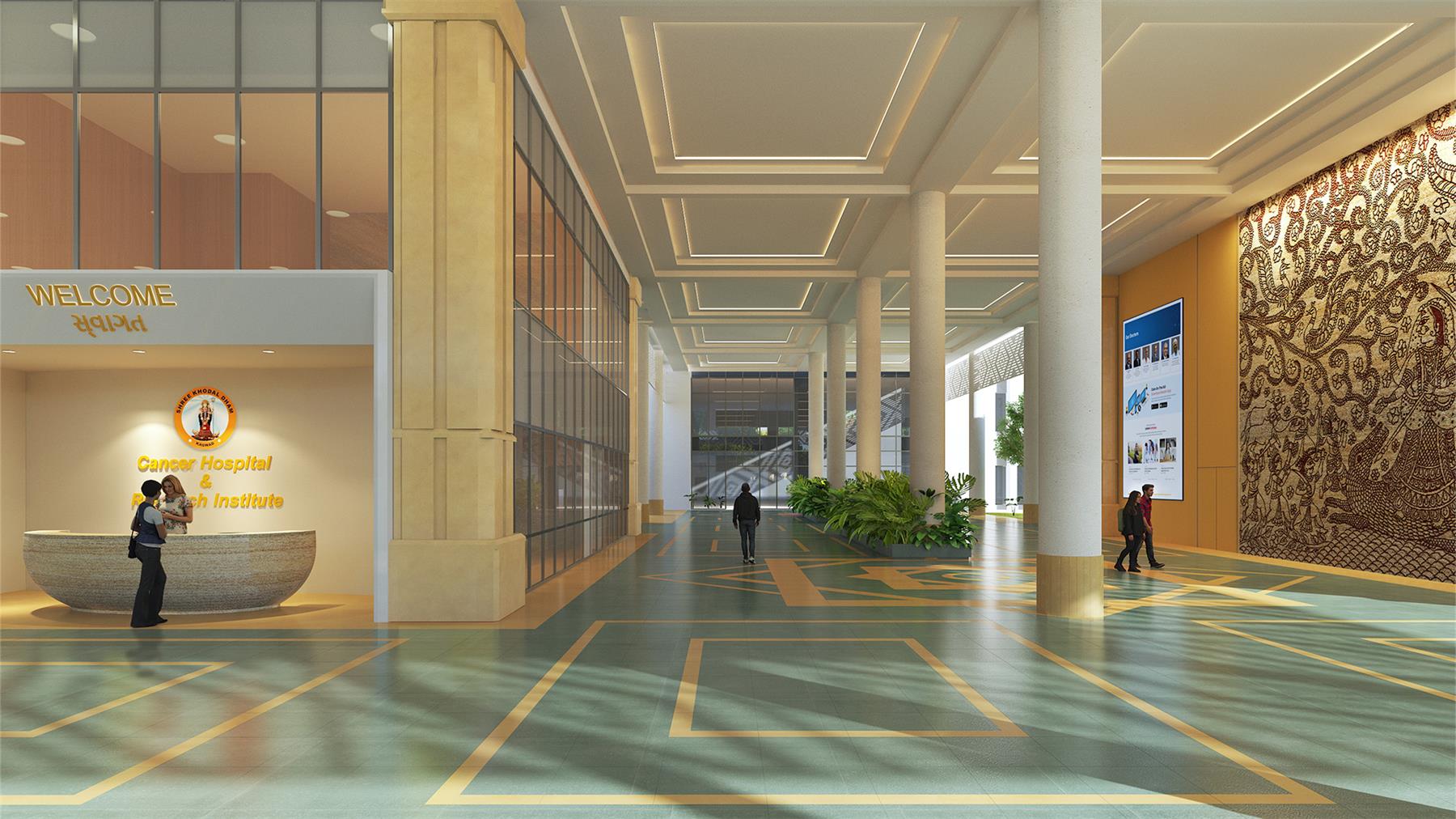
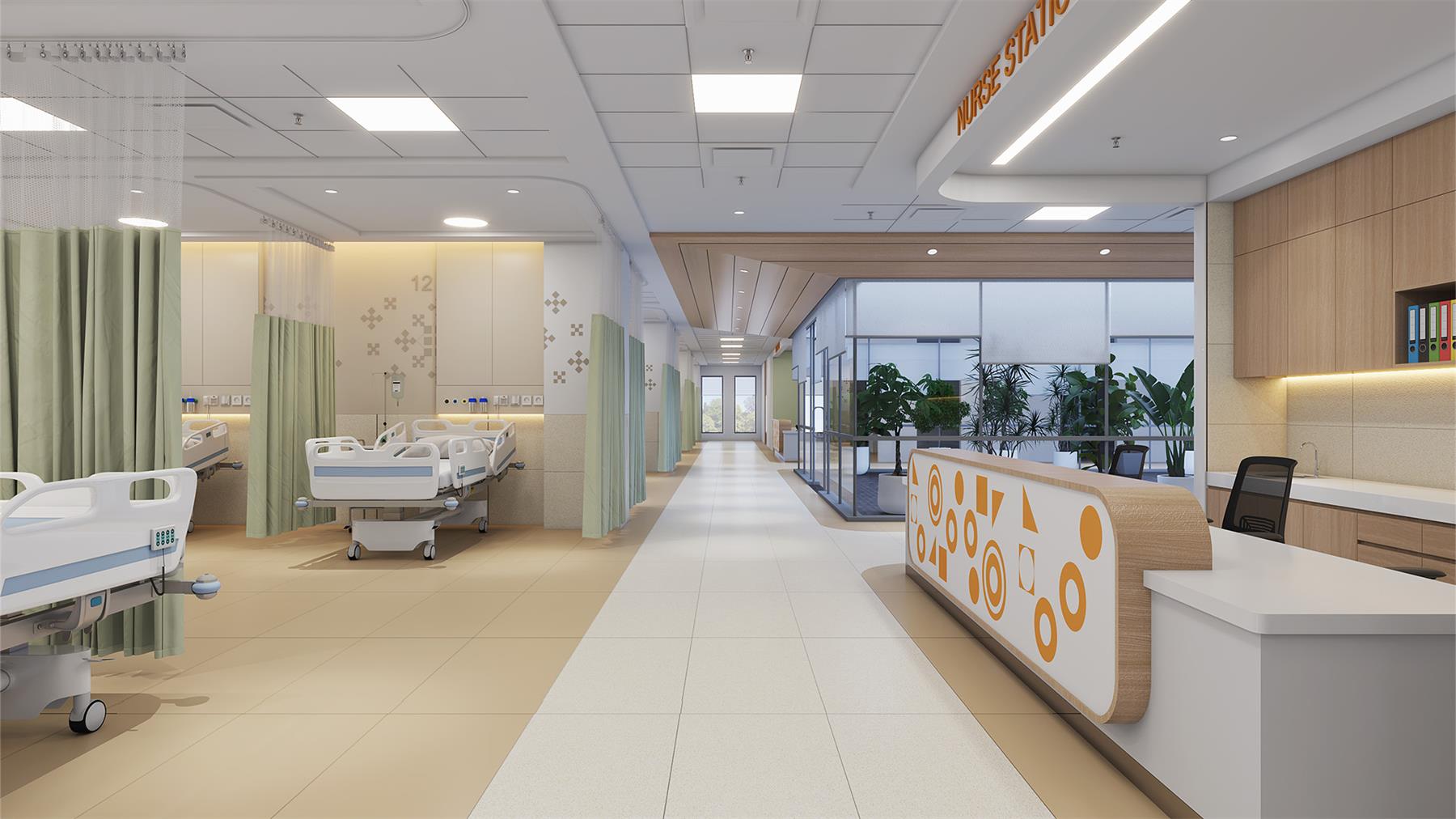
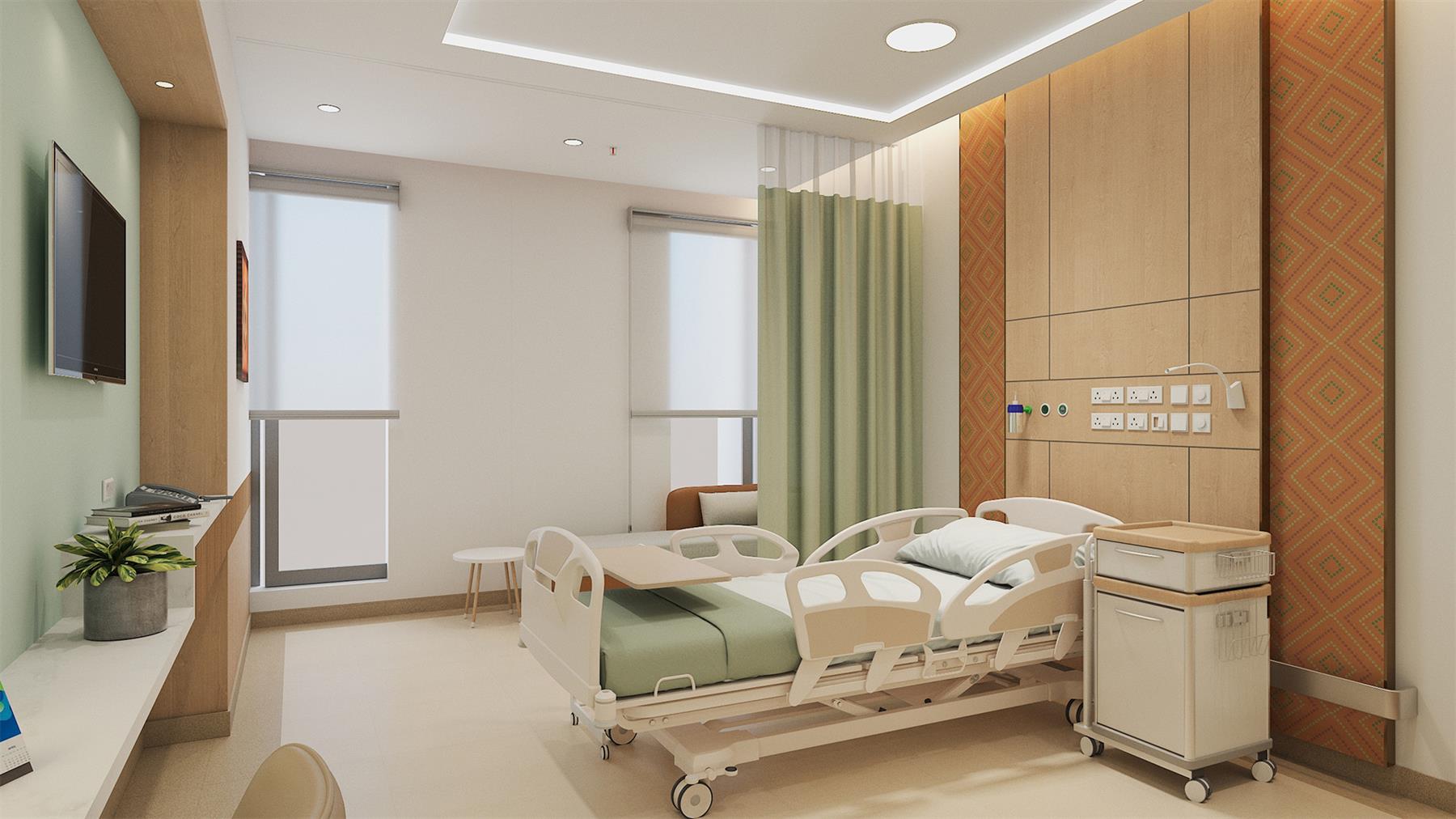
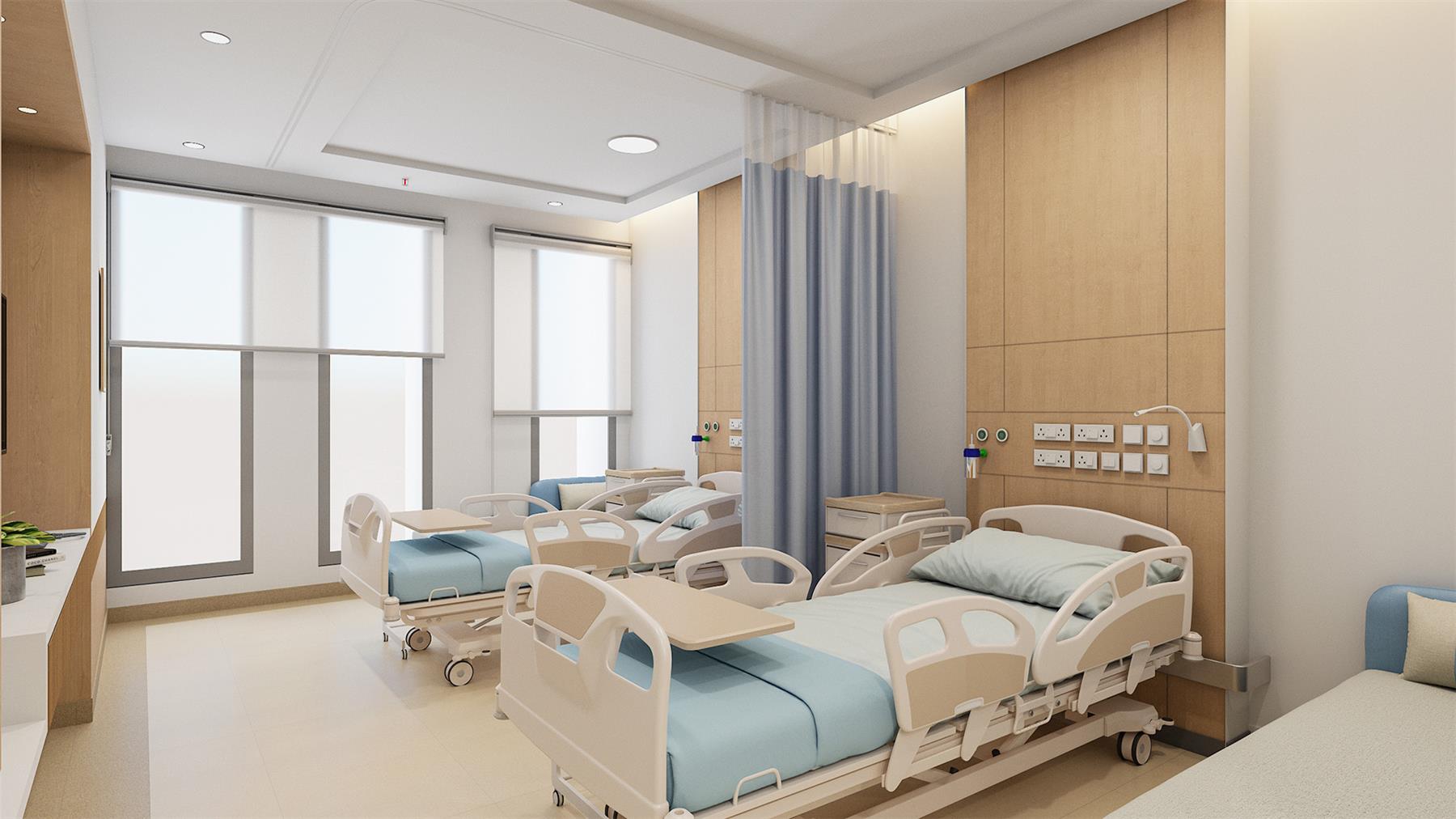
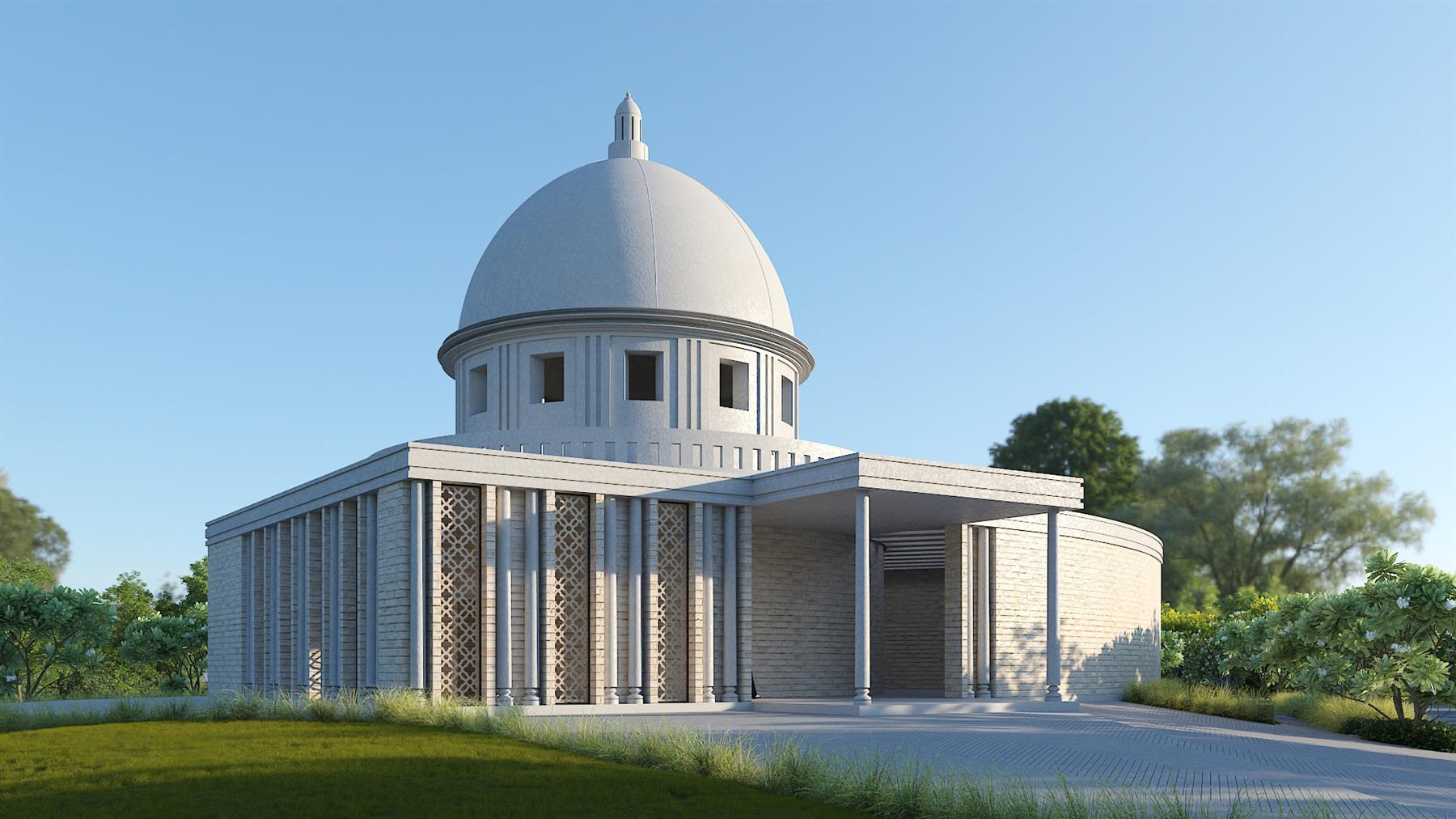
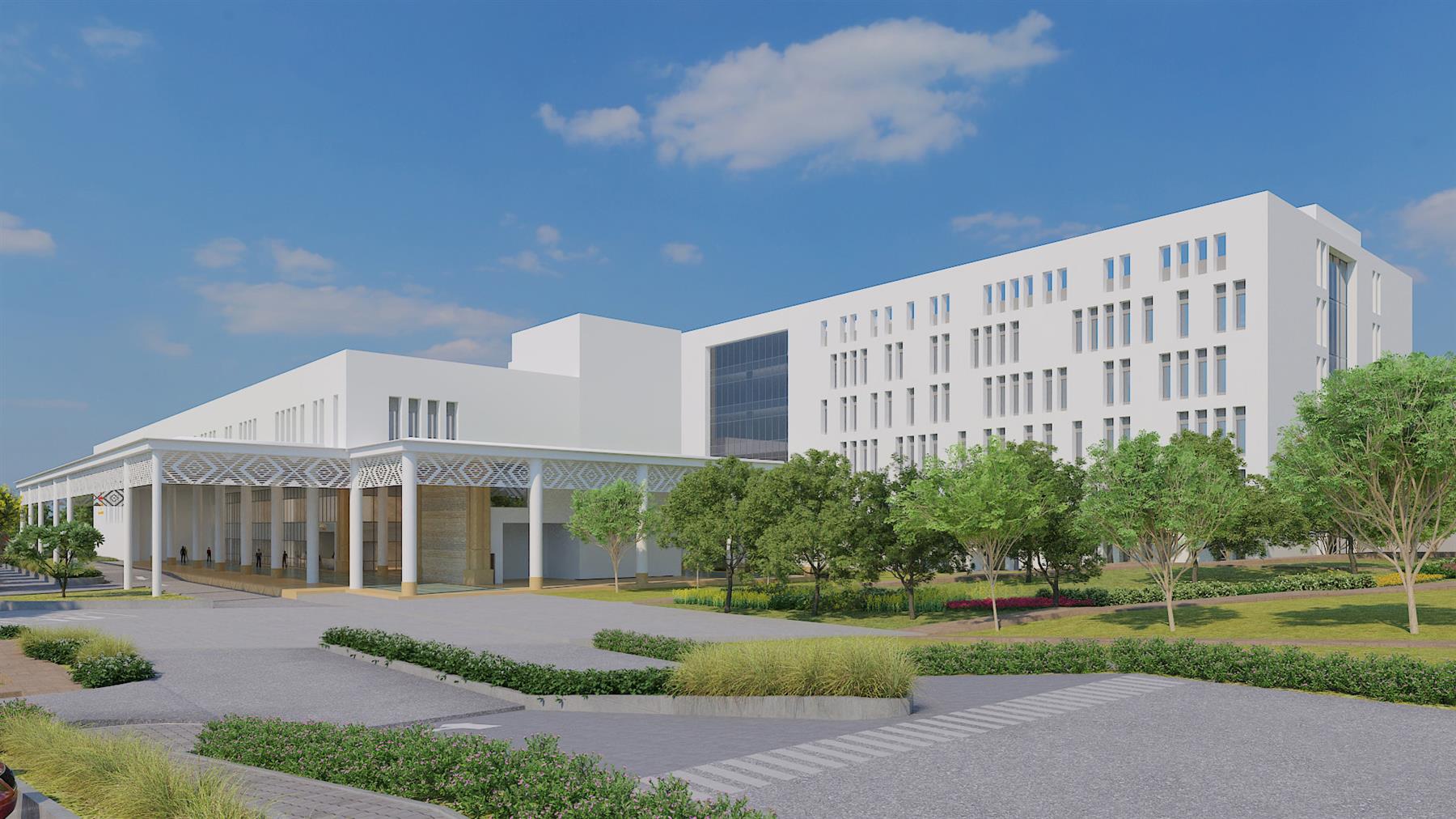
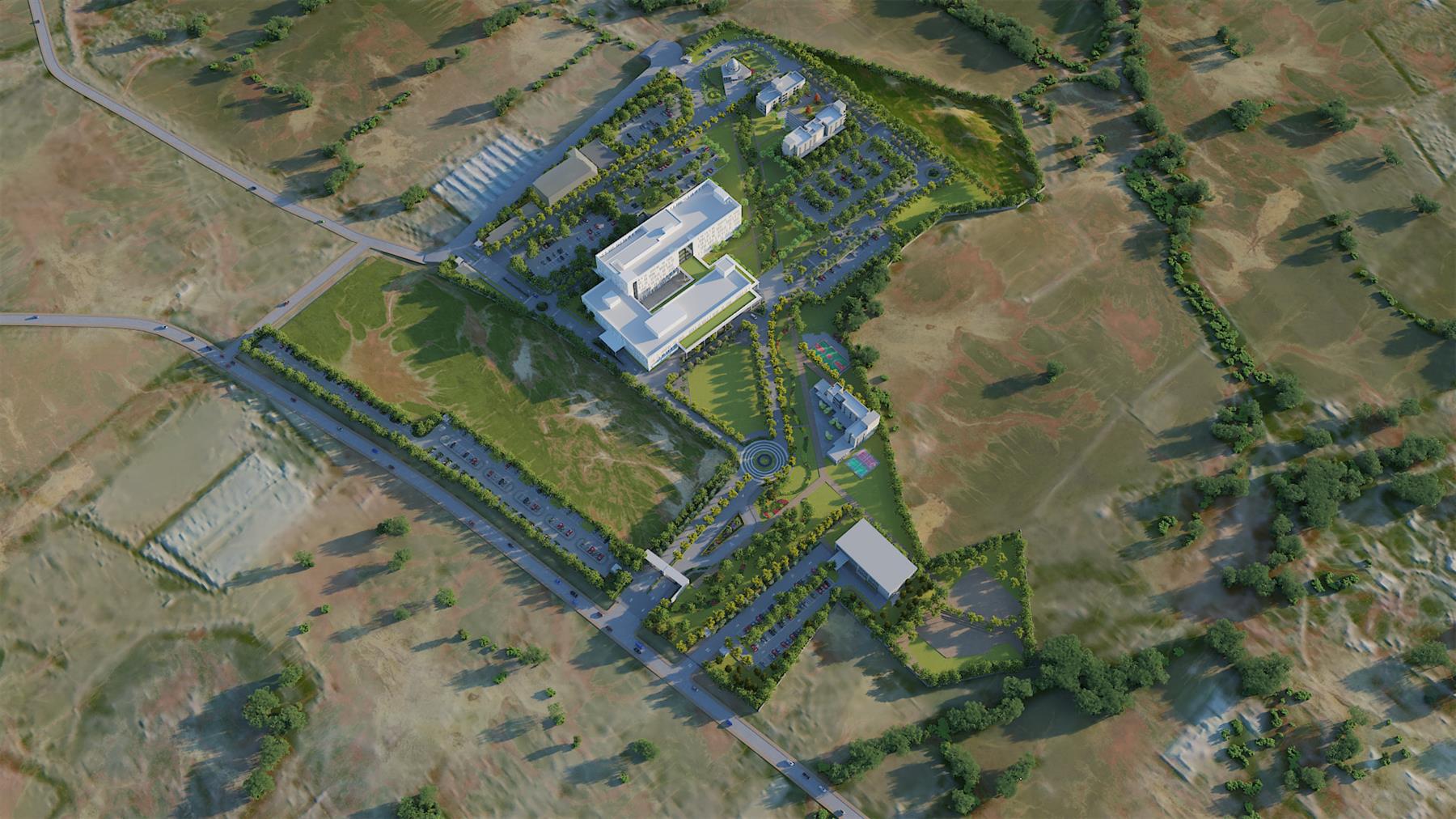
The Khodaldham Cancer Hospital, developed by Shree Khodaldham Trust, Kagvad, is envisioned as a comprehensive oncology-focused healthcare facility set within a larger institutional and community-driven campus at Amreli Village, Gujarat. Anchored in the Trust’s long-standing commitment to social welfare, healthcare, education, and spiritual upliftment, the hospital is conceived not merely as a medical institution, but as a place of dignity, compassion, and hope for patients and their families. Designed to address the complex emotional and physical realities of cancer care, the brief emphasized creating an environment that supports long-term treatment journeys while reducing fear, anxiety, and fatigue. The hospital forms part of a larger ecosystem that includes a dharamshala, meditation hall, auditorium, staff housing, and support facilities, allowing patients, attendants, and caregivers to exist within a self-sustaining healing campus rather than an isolated clinical block. The interior look and feel aims to balance advanced medical functionality with warmth, familiarity, and cultural rootedness. Recognizing that oncology patients often spend extended periods within the hospital, the design approach moves beyond sterile efficiency to create spaces that feel reassuring, humane, and emotionally supportive, without compromising on clinical standards or operational clarity. Architecture & Interiors Rooted in Healing, Faith, and Simplicity The interior design framework is guided by a holistic understanding of healing, one that integrates physical treatment with emotional calm and spiritual grounding. Planning prioritizes clear segregation of public, patient, staff, and service flows, ensuring infection control, operational efficiency, and ease of navigation across departments such as OPD, diagnostics, chemotherapy, ICUs, operation theatres, and inpatient wards. The hospital accommodates a total of 221 beds across general wards, private rooms, suites, intensive care units, and specialized oncology functions, carefully balanced to support both critical care and long-stay comfort. Two complementary conceptual narratives shape the interior language. The first draws from spiritual and cultural references associated with Maa Khodal, interpreting the hospital as a sanctuary of hope. This is expressed through calm axial movement, stepped ceiling profiles, rhythmic flooring inlays, and subtle symbolic detailing that lends emotional reassurance without overt religious imagery. Public areas, arrival zones, waiting spaces, and meditation areas are designed to feel grounded and reverential, offering moments of pause and reflection within the hospital journey. The second narrative is rooted in vernacular Gujarati architecture, emphasizing simplicity, openness, and material honesty. Natural textures, earthy tones, and breathable spatial compositions create a home-like familiarity across inpatient rooms, residential blocks, staff accommodations, and support areas. Material choices balance durability and hygiene with warmth using stone, vinyl flooring, laminates, solid surfaces, and acoustic treatments suited to healthcare environments. Local art, textures, and graphics are integrated selectively, reinforcing cultural identity without visual overload. Together, architecture and interiors work as a cohesive system that humanizes cancer care reducing stress, supporting caregivers, and fostering emotional resilience. The hospital is envisioned not only as a place for medical treatment, but as a compassionate environment where clinical precision, cultural context, and emotional well-being are seamlessly interwoven.
Credits & Recognition
Team
Architecture: Manoj Choudhury, Aastha Wadhwa, Smitha Achary, Omkar Gadekar, Shadab Mulla
Interior: Shailesh Kunte, Aradhika Chakraborty, Pranali Lad