

Quick Facts
| Client Name | Jujhar Group |
| Location | Aerocity, Mohali, Punjab |
| Scope | Interior Design |
| Region | New Delhi |
| Program | 606 Beds |
| Built-up Area | 7,00,000 Sq.Ft |
| Plot Area | 6.17 Acres |
| Status | Design Development |
Description
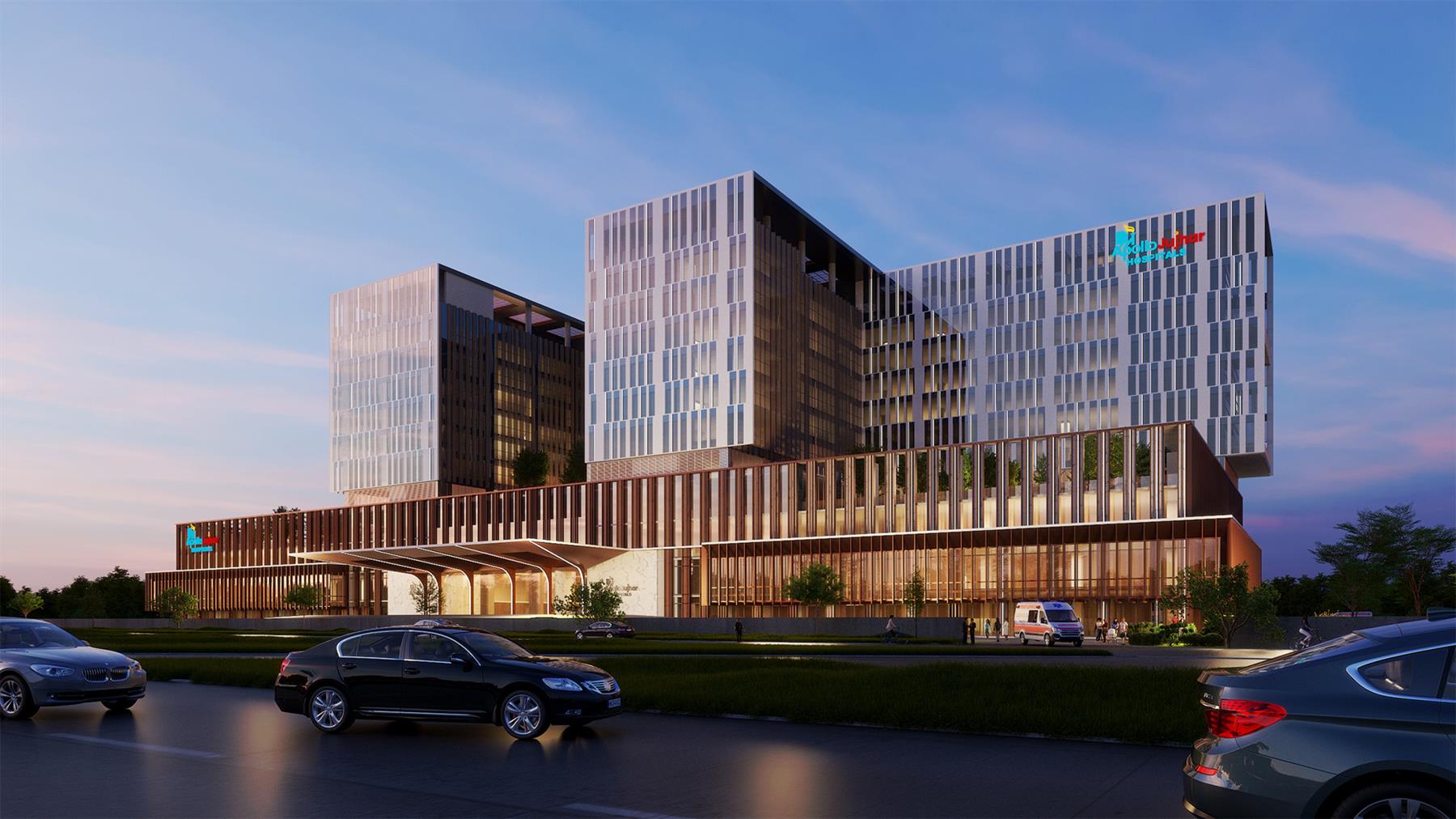
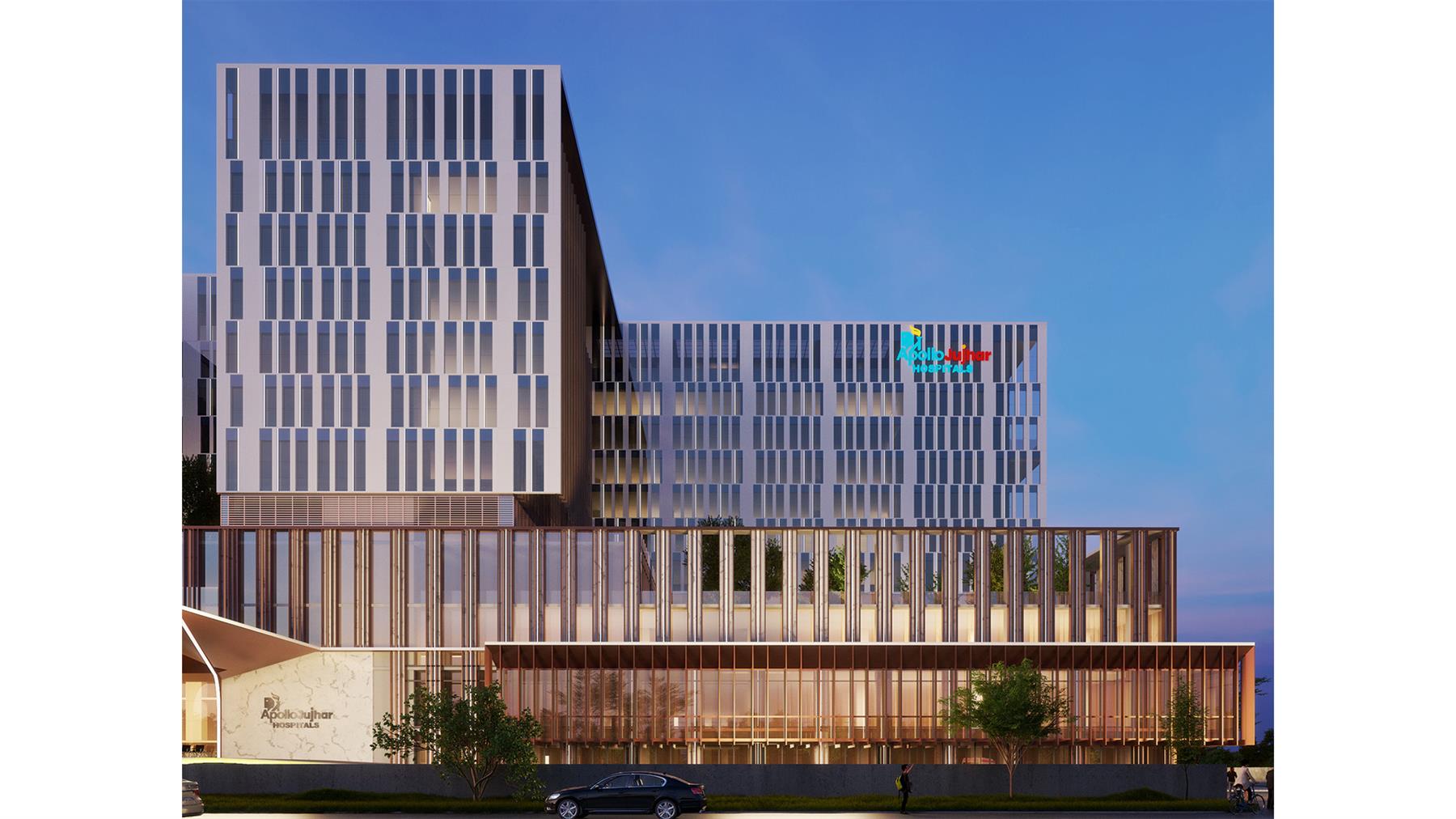
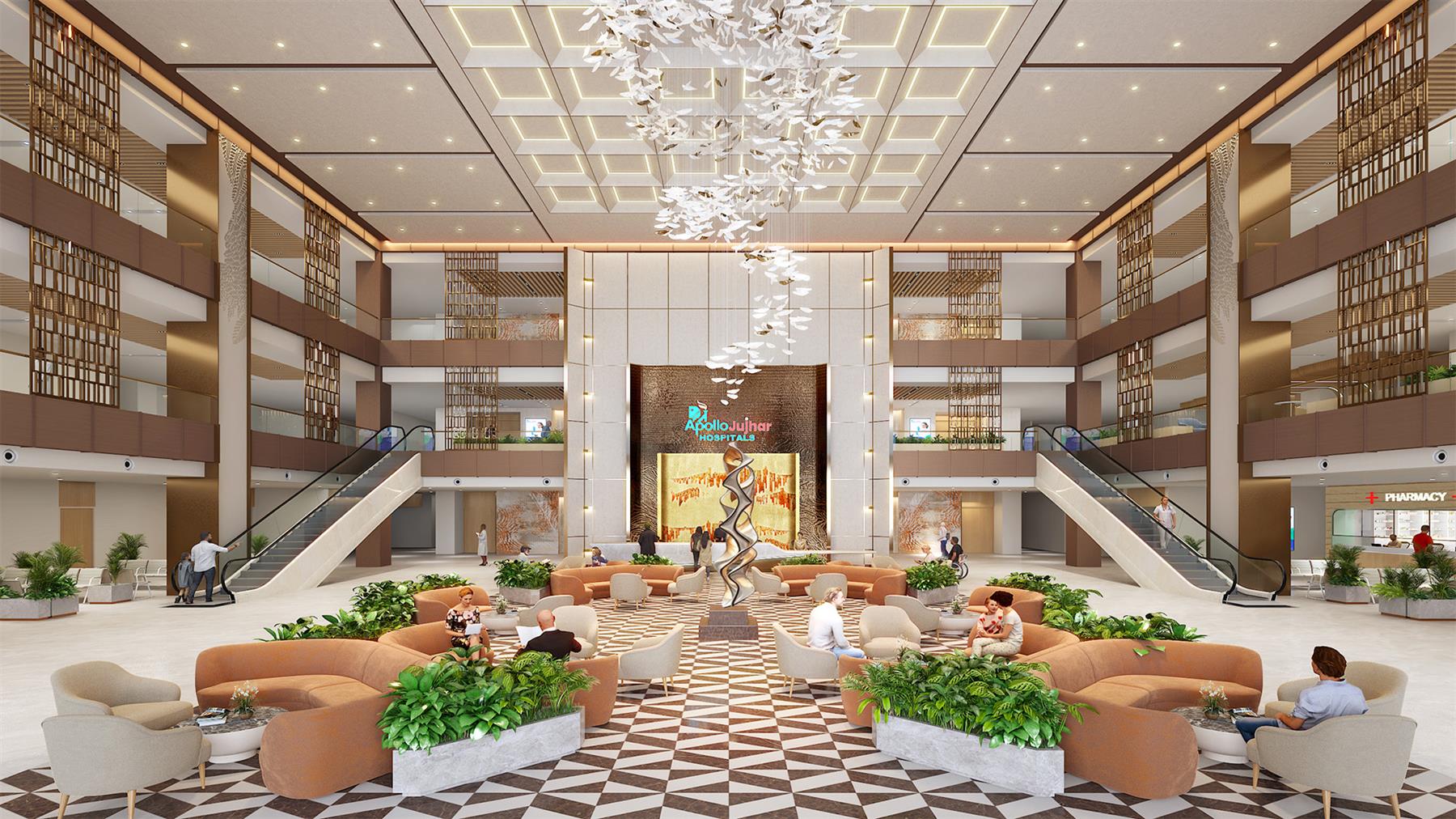
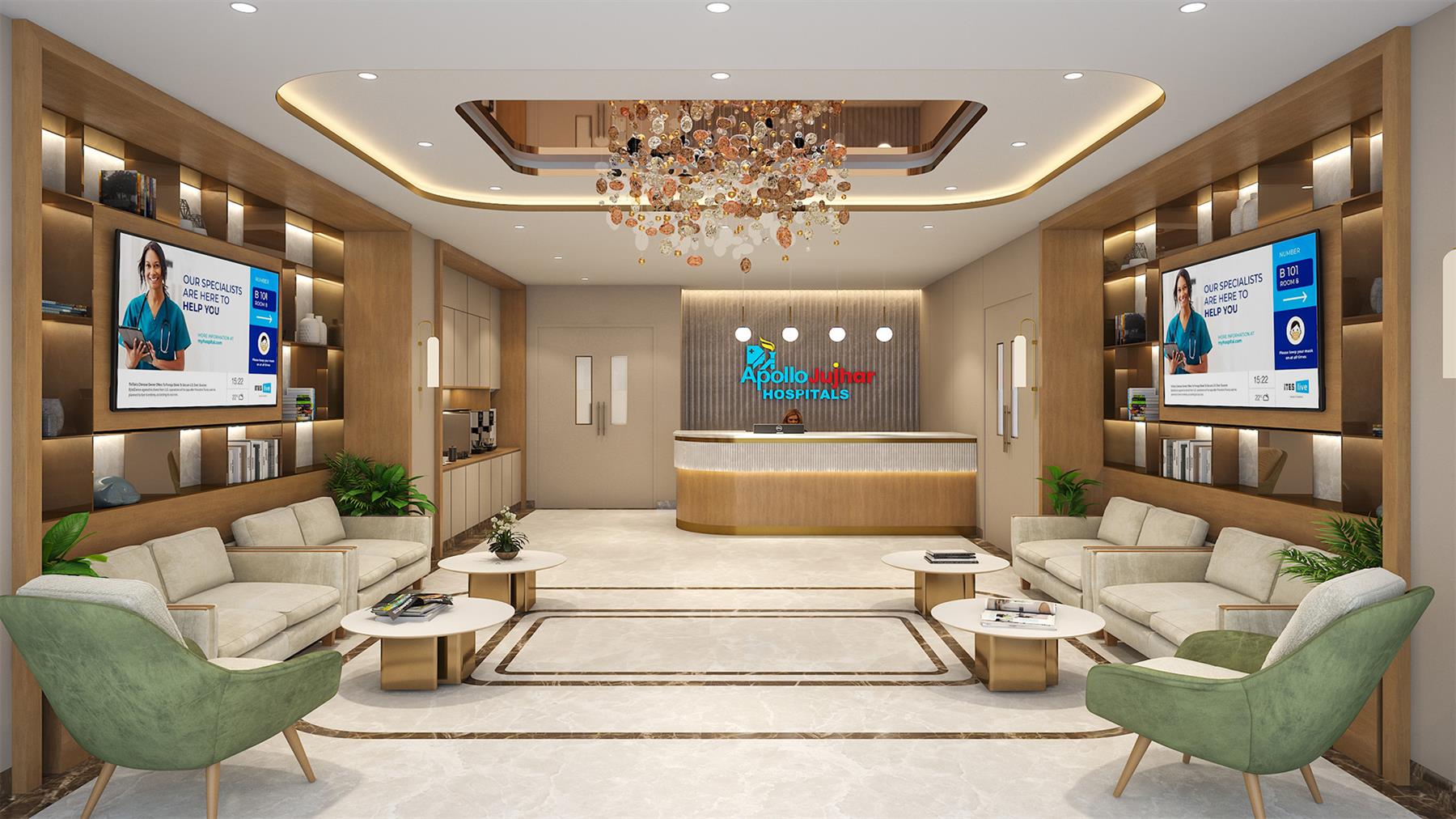
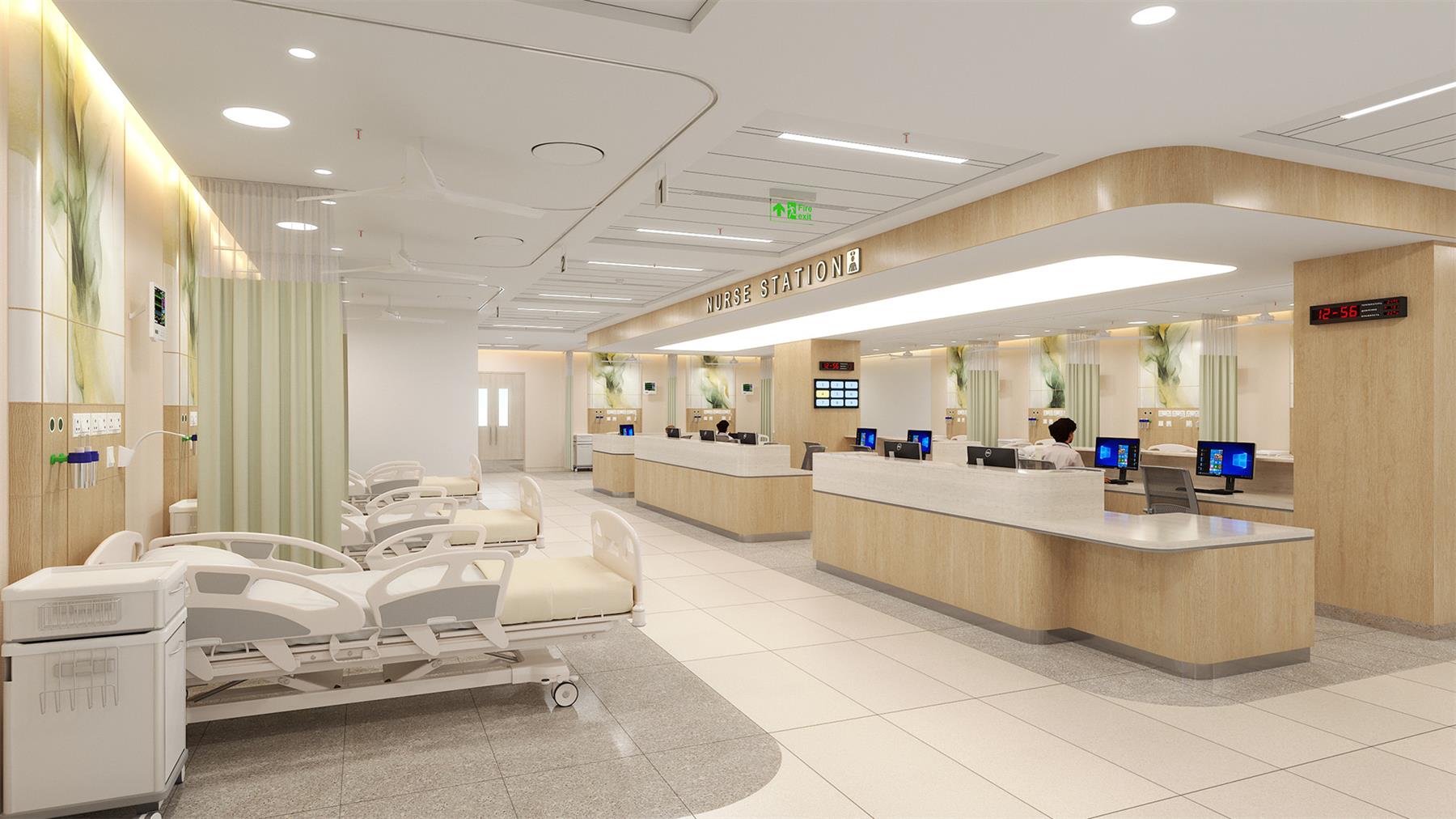
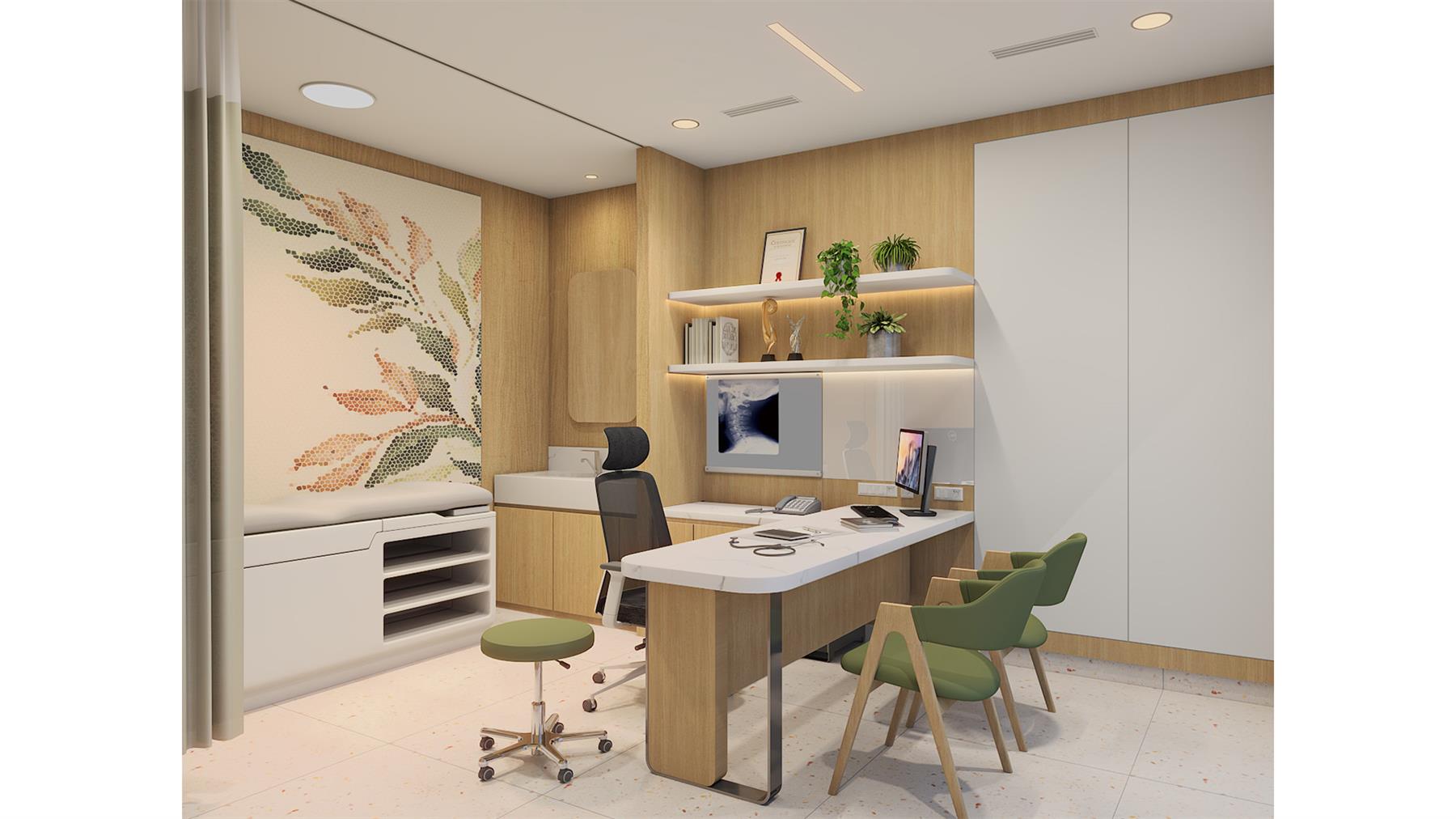
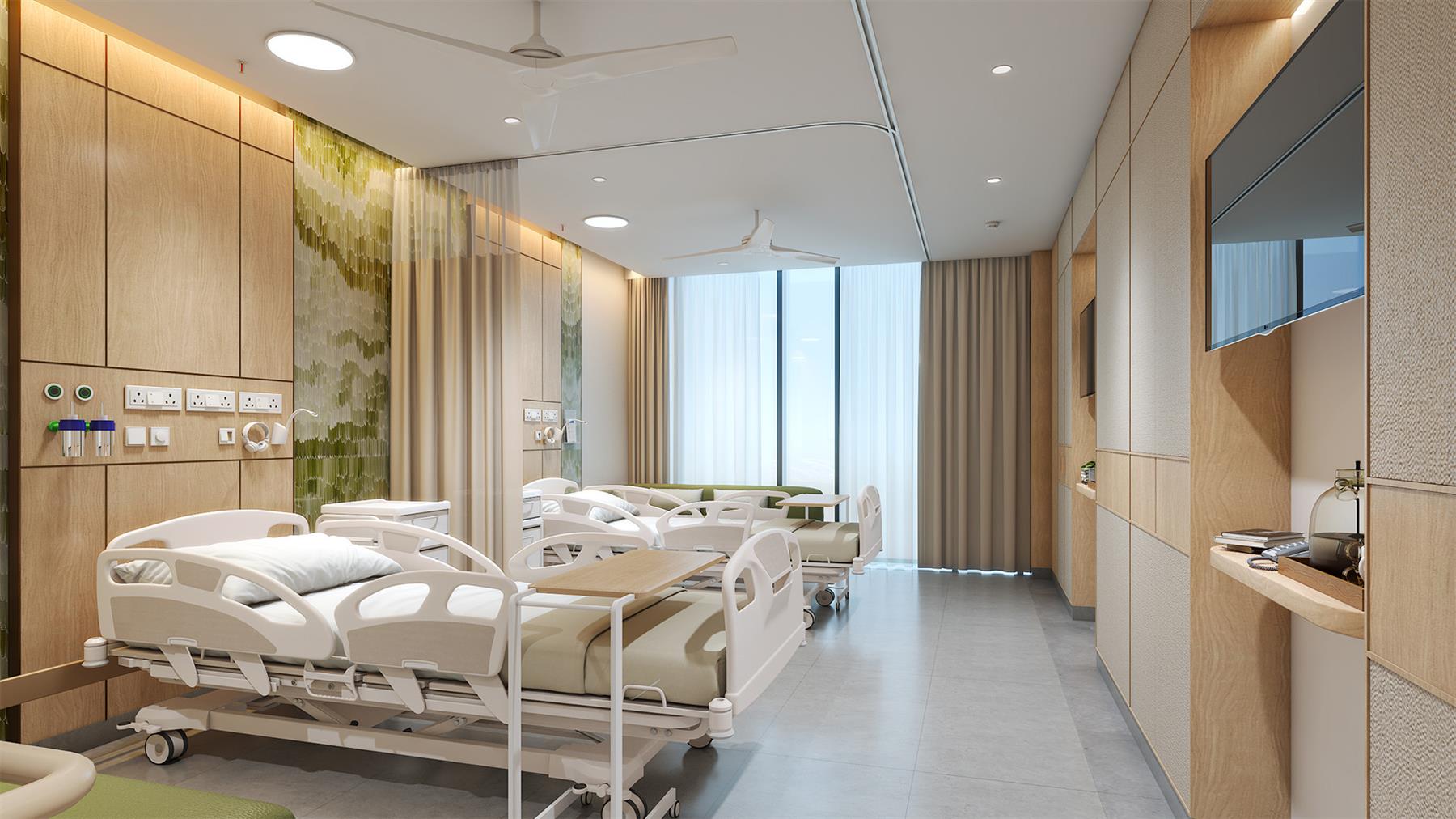
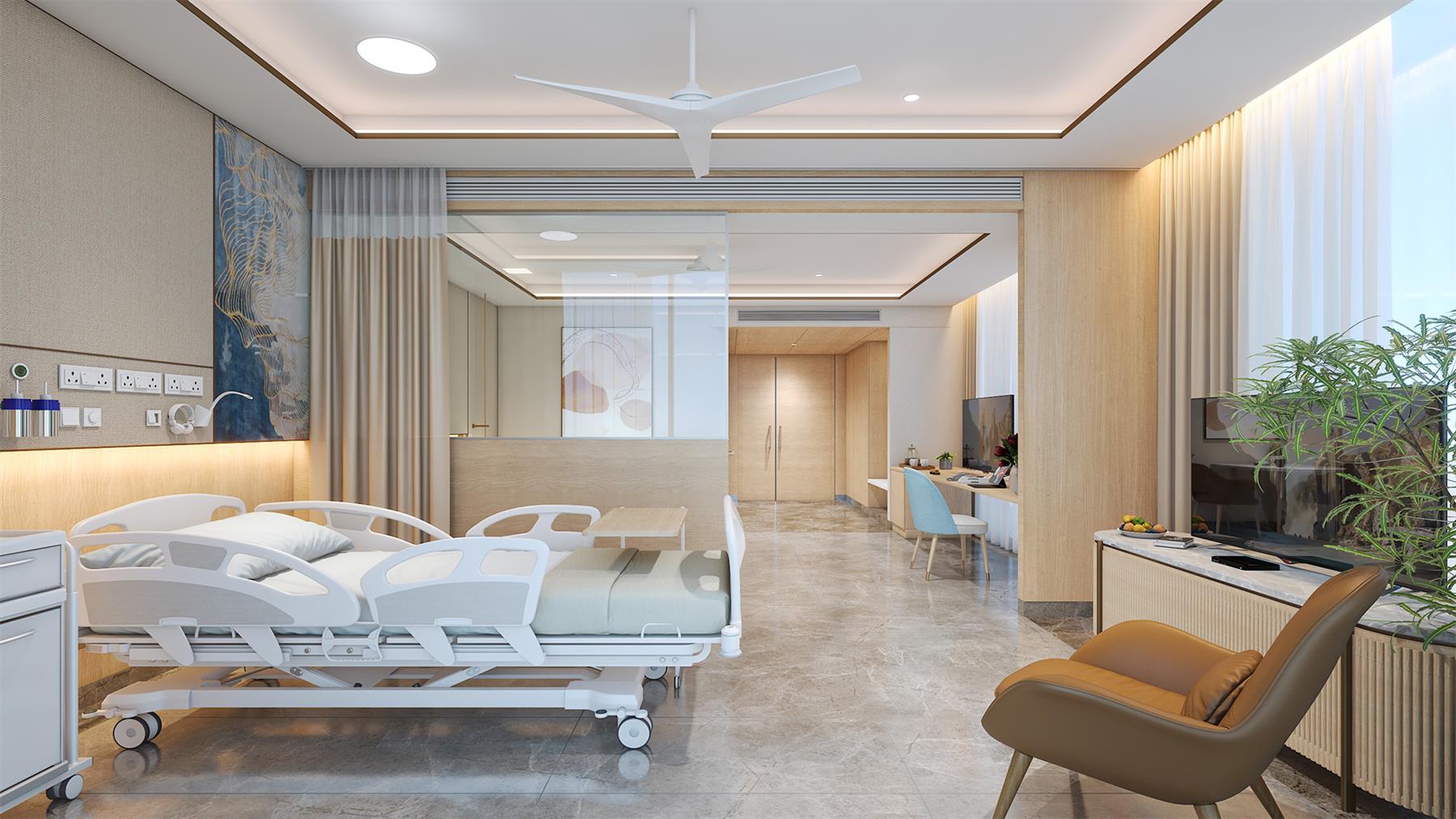
The Jujhar Group Hospital at Aerocity, Mohali is envisioned as a 606-bed tertiary healthcare campus that brings together advanced medical infrastructure and a deeply human-centered interior environment. Strategically located near Chandigarh International Airport, the hospital is positioned as a future-ready healthcare destination that reflects the Jujhar Group’s long-standing values of quality, service, and regional pride. Rather than approaching the hospital purely as a clinical facility, the brief emphasized the creation of spaces that acknowledge the emotional realities of healthcare. Patients, visitors, and staff navigate environments shaped by anxiety, uncertainty, fatigue, and hope and the interiors were tasked with responding to these layered experiences with empathy, clarity, and dignity. The design intent moves beyond efficiency alone, aiming to support healing alongside curing. The interior design focuses on establishing intuitive, inclusive, and emotionally reassuring environments across key hospital touchpoints, from arrival and waiting zones to inpatient rooms and critical care areas. The hospital is conceived as a cohesive ecosystem where operational precision, infection control, and code compliance coexist seamlessly with warmth, cultural resonance, and sensory comfort. In doing so, the project positions itself as a contemporary healthcare landmark for Punjab, rooted in context, yet aligned with global best practices. Interior Architecture Rooted in Healing, Order, and Identity The interior design framework is structured around three inseparable layers: functionality, healing, and uniqueness. Spatial planning prioritizes clear adjacencies, strict segregation of patient, staff, visitor, and material flows, and legible circulation systems that reduce confusion and stress. From basement levels to Level 10, public, patient, staff, and service cores are carefully separated to ensure operational efficiency, safety, and infection control, while maintaining ease of navigation for first-time users. Healing is embedded as an experiential layer throughout the hospital. Biophilic strategies, ranging from nature-inspired forms and materials to visual pauses and healing nodes soften the clinical environment and support emotional regulation. Warm, tactile material palettes, ergonomic furniture, and inclusive design standards address comfort across age groups and physical abilities. Colour psychology is used strategically: calm, trust-inducing base tones establish reassurance, while subtle zoning cues aid wayfinding without sensory overload. The design narratives of Urban grid guide the interior language. Urban Grid takes cues from Chandigarh’s modernist planning, introducing spatial discipline through aligned grids, predictable layouts, and clearly zoned functions, punctuated by moments of pause and greenery that act as healing anchors. Across both approaches, an 80:20 material strategy governs the interiors: 80% of spaces rely on calm, neutral, durable materials to support longevity and maintenance, while 20% are reserved for focal elements, textures, colours, artworks, and cultural expressions that create identity and emotional connection. Standardized room typologies, from general wards to presidential suites, ensure consistency in care delivery while allowing differentiation across comfort levels and revenue segments. Together, the interiors of Jujhar Group Hospital seek to humanize healthcare, reducing anxiety, supporting staff resilience, and creating environments that feel intuitive, respectful, and restorative. The project stands not only as a medical facility, but as a thoughtfully designed place of care, where spatial clarity and emotional intelligence work hand in hand.
Credits & Recognition
Team
Interior: Manoj Choudhury, Shaon Sikta Sengupta, Shailesh Kunte, Sneha Naicker, Pranali Lad, Shubham Prasad, Megan Fernandes, Anam Sheikh